Experiment House’s permissive management policy
The Silver ChairExperiment House’s permissive management policy is the school’s practice of allowing pupils to do largely as they please, with weak consequences for bullying and a head who treats perpetrators as psychological cases. The policy leaves Jill Pole and other pupils exposed to persistent harassment; its eventual reversal follows an inquiry that brings the school’s failures to light.
Policy and Practice
Experiment House is described as co-educational, but its administrators’ governing idea is that boys and girls should be allowed to do what they liked. In practice, this freedom does not protect pupils equally. Ten or fifteen of the biggest boys and girls prefer bullying others, and a range of harmful conduct continues in circumstances where it would ordinarily have been discovered and stopped within half a term.
The school’s response compounds the problem. Even when misconduct is discovered, its perpetrators are neither expelled nor punished. The Head instead calls them interesting psychological cases, summons them, and talks with them for hours. Pupils who know what to say to her may become favourites, so the system can reward successful management of adult attention rather than require accountability for harm.
Effects on Jill Pole
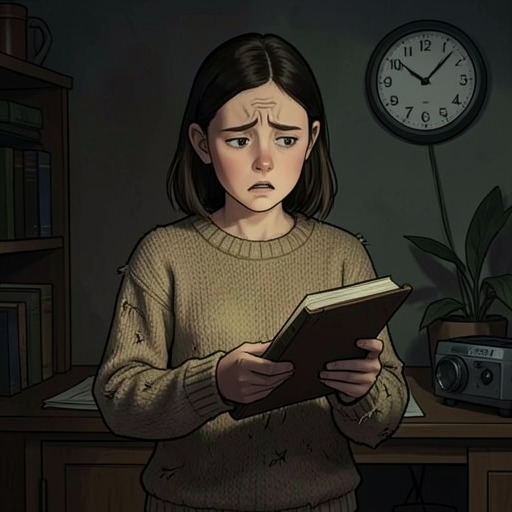
The policy’s consequences are introduced through Jill, who cries on a dull autumn day behind the gym because she has been bullied. The location places her apart from the school’s public spaces, while the narrator’s brief account makes clear that the harassment is part of a broader institutional failure, not an isolated quarrel. The book’s decision to say little about the school does not obscure the essential cause: adults have allowed bullying to continue.
Jill’s later arrival at the Head’s attention shows a different aspect of the same power imbalance. When Jill cries at Harfang after a difficult journey, the Queen responds by ordering comfort and treating her as a little child; that scene is not a direct consequence of Experiment House’s policy, but it echoes how adults can misread a young person’s needs. At school, the Head’s conversations with bullies fail to protect Jill; in the later confrontation, Jill’s own actions are part of the response that finally makes the school’s failures visible.
Exposure and Change
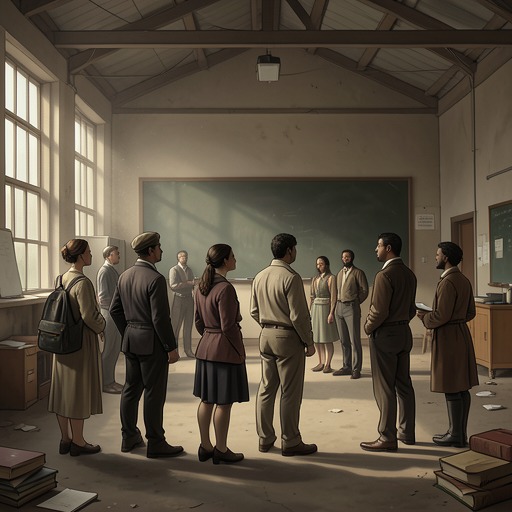
After Jill returns with Eustace Scrubb and Caspian X, the bullies run from the figures confronting them at the broken school wall, and the Head reacts to the scene by calling the police with mistaken explanations. The immediate confrontation is not itself the school’s administrative reform. Rather, it leads into an inquiry, during which various matters about Experiment House come out and about ten people are expelled.
The Head’s position changes as well: her friends decide she is no use as a Head, make her an Inspector, and later place her in Parliament after judging her ineffective in that role too. The narrator reports the outcome with comic irony, but the institutional consequence is concrete. From then on, things improve at Experiment House, which becomes quite a good school. The ending contrasts the earlier policy of indulgence with a changed environment, while Jill and Eustace remain friends.